Level 2 EV Charger Installation for Mountain Homes: What Mars Hill Drivers Should Expect
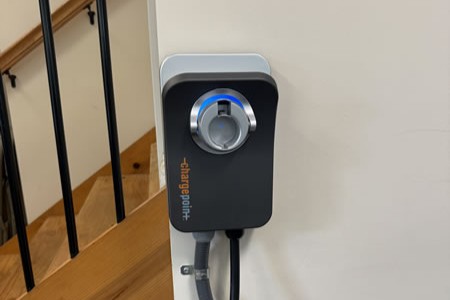
If you live in Mars Hill, NC and drive an EV, a Level 2 charger at home can feel like a small luxury that changes your daily routine. It is faster, safer, and tailored to the way you live in the mountains. Below is a homeowner-friendly guide to what a professional install involves, what choices matter in our climate, and how 828Wired LLC makes the process smooth. For details on equipment options and scheduling, see our Level 2 EV Charger Installation for Mars Hill homes page.
Why Level 2 Works So Well In The Mountains
Level 2 charging uses a 240-volt circuit, which is the same type of power clothes dryers and ranges use. That extra voltage means you gain meaningful range during normal evening hours, even after a full day of errands up and down I‑26 or a weekend drive to Wolf Laurel.
For mountain homes, this matters because quick top-ups help offset longer, steeper drives and colder temperatures. Charging overnight inside a garage keeps the plug, cable, and car warm, which can help performance on chilly mornings when ice or snow linger in shaded spots.
What A Professional Home EV Charger Electrician Assesses
A qualified electrician evaluates more than just where the charger will hang. The goal is to design a dedicated circuit that runs efficiently, meets code, and stands up to mountain weather.
Service Panel Capacity And Cable Distance
Your installer checks panel capacity and available breaker spaces, then plans a route for the new 240‑volt circuit. Shorter runs reduce voltage drop and help charging stay consistent, but mountain layouts can be tricky with detached garages or daylight basements. Conduit placement and wire type are chosen for the route, and any trenching or drilling is planned to protect the home’s structure and appearance.
Garage Versus Exterior EV Charging In Mountain Weather
Garages are convenient and offer natural protection from cold. Exterior installs are common too, especially for cabins, carports, or tight garages. Outdoor equipment needs the correct weather rating, proper mounting height, and drip loops for cable entries. Strategic placement keeps the charging cable off icy paths and away from plows or snow shovels.
- Think about how the car parks in winter and where snow piles up after a storm.
- Consider cable reach for visitors or a future second EV without creating tripping hazards.
- Plan lighting near the charger so nighttime plug-ins are easy and safe.
Outdoor equipment should be properly rated for wet locations. That includes the charger housing, in-use receptacle covers if applicable, and the fittings that seal penetrations where conduit enters the wall.
Installing Level 2 At Older Mountain Homes And Cabins
Mars Hill has many older houses and rustic cabins that were not designed with EVs in mind. A professional may recommend panel upgrades, new grounding, or subpanels to support the dedicated circuit for your charger. This makes the system safer and more reliable for the long haul.
If your home has an older electrical service, the installer will lay out options to modernize the infrastructure while preserving the character of the home. That can include bringing the garage up to current standards, balancing loads across existing circuits, and placing the charger where cable runs are practical and discreet.
Many homeowners ask about specific vehicle brands. Tesla wall connectors and universal Level 2 chargers both work well in our area. The best choice depends on your vehicle mix today and what you may drive next. Your electrician can explain adapter options and how to stay flexible as the industry evolves.
Tesla, Universal J1772, And NACS In Plain Language
Most non‑Tesla home chargers use the J1772 plug. Tesla vehicles have their own connector, and many EVs include adapters so they can use different plugs. When selecting a charger, the key is to match the connector to your primary vehicle and keep an eye on what you might add later. A universal charger with the right adapter can serve mixed-brand households, while a brand‑specific unit may offer deeper app features for that one make.
Ask your installer about cable management and mounting height so the connector is easy to handle with gloves on winter mornings. A clean coil, a reachable holster, and good lighting go a long way toward daily convenience.
Smart Charger Features That Make Sense Off The Beaten Path
Wi‑Fi signals can be spotty in mountain homes, especially in detached garages or workshops. Chargers with stronger antennas, flexible placement, or hardwire-friendly designs offer more reliable app control. Load sharing can let two chargers operate on a single circuit by managing output, which is handy for households with more than one EV. Scheduling helps you charge during off‑peak hours, and energy monitoring gives a clear, month‑to‑month picture of how much power charging uses.
Timeline And What To Expect On Installation Day
Before the visit, your electrician confirms the scope, equipment, and any needed coordination. On the day of the job, expect a brief walk‑through to finalize charger placement, an orderly setup for dust control if drilling is required, and clear communication about when short power shutoffs will occur. Routing, mounting, and wiring come next, followed by labeling, inspection coordination when required, and a full function test. You will also get a quick lesson on safe use and how to check charging status in the app.
If you are comparing options, browse our site to learn how level 2 ev charger installation fits into a whole‑home electrical plan, including future projects like panel upgrades or backup power. Good planning up front means the charger integrates smoothly with the rest of your electrical system.
Safety And Winter Readiness For Mountain Charging
A little care helps your charging setup perform in all seasons. Keep the parking spot clear of ice ridges so the cable does not drag across sharp edges. In exterior installs, look for signs of water pooling under the unit after heavy rain and call for service if you notice anything unusual.
- Always use a licensed electrician for installation, upgrades, and any changes to the circuit.
- Avoid running extension cords for EV charging; use only the dedicated circuit and approved equipment.
- Check that the charging handle seats fully with an audible click before leaving the vehicle to charge.
- Plan for snow and ice clearance around the charger so the cable and connector stay clean and easy to handle.
For homes on steep driveways or private roads, think about cable paths where vehicles will not run over them after a snowstorm. If you park nose‑in some days and back‑in on others, a centered mounting point inside the garage can reduce cable strain. Exterior installs near carports benefit from a simple wheel stop or bollard to protect the charger base from bumps.
Garage Vs. Exterior: Picking The Right Spot In Mars Hill, NC
Garages offer convenience, security, and warmer temperatures. That is helpful on crisp mornings and during late‑night returns from Asheville or Weaverville. For cabins, exterior walls near parking pads can be the most direct route for wiring, which can simplify the project. The choice often comes down to cable reach, signal strength for smart features, and how snow drifts on your lot. Your installer will help you weigh the tradeoffs without pushing you toward one brand or location.
Power, Breakers, And Future‑Proofing Without The Jargon
Level 2 chargers come with different maximum outputs. Your electrician sizes the circuit and breaker to the charger and to your home’s capacity. If you might add a second EV or plan a workshop in the same space, mention that up front so the layout can allow for future upgrades. Simple choices like conduit size, panel labeling, and charger height can save time later.
If internet reach is weak in a detached garage, consider placing your router or a mesh node closer to that wall, or choose a charger that still offers basic controls at the unit. Reliable connectivity is nice, but the priority is a safe, dedicated circuit and proper installation.
Local Insight For Mountain Homes
Homes tucked along NC‑213, near Mars Hill University, or up by Wolf Laurel see different microclimates. Sun exposure, wind, and elevation vary a lot even within a few miles. A quick on‑site look helps decide whether the charger should face a sunnier wall to shed snow faster or sit under deeper cover to stay out of prevailing winds. Small choices like these make day‑to‑day charging easier when winter settles in.
Work With A Trusted Mars Hill Electrician
With a thoughtful plan and a clean install, you will plug in, go inside, and wake up ready to drive. 828Wired LLC designs each system for the way you live, from older cabins to new builds. Have questions about charger brands, outdoor mounting, or what your panel can support? Call us at 828-231-1570, and our team will walk you through the next steps.
If you are ready to move forward, explore equipment choices and request an appointment on our ev charging service page. We serve homeowners across Mars Hill and nearby communities with careful planning, clear communication, and installations that are built to handle mountain life. Contact us today for EV charging in the Mars Hill area.
Schedule Your Electrical Service Appointment Today With Our Electricians In Mars Hill, NC